At Home
Car Care —
Done Right
What you do between details matters. How to wash correctly, what products are worth buying, and how to keep your finish looking the way it did the day you drove away.
Why Automated Car Washes Are Hurting Your Paint
It seems convenient. Drive in, drive out, done in three minutes. But those spinning brushes and high-pressure blasters are doing real damage every single time.
Automated car washes use recycled water loaded with contaminants from the last hundred cars that went through. The brushes — even the “soft” ones — trap grit and drag it across your paint at speed. That’s not cleaning. That’s controlled scratching. Over time, you’ll see it in the swirl marks and micro-scratches that kill the depth and gloss of your finish.
Touchless washes aren’t much better. They compensate for no physical contact by using harsh, high-pH chemical soaps that strip your wax and sealant, leaving your paint exposed and your trim dried out.
If you’ve invested in a professional detail, an automated car wash is one of the fastest ways to undo that work.
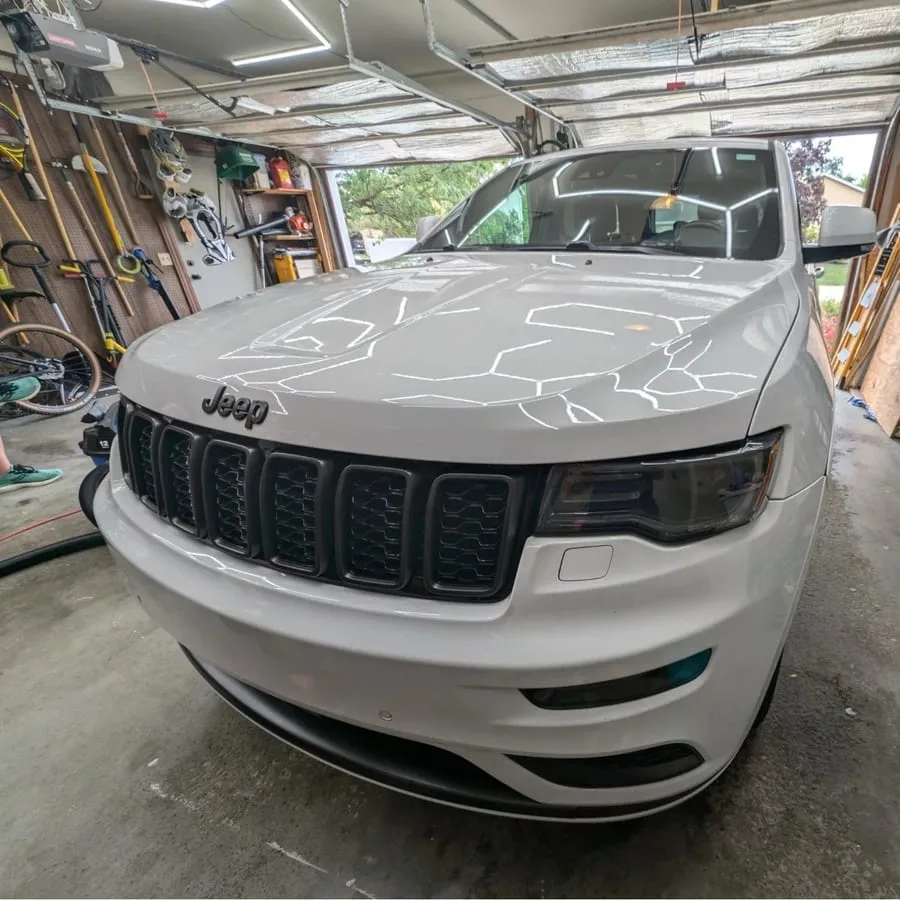 Fort Wayne, Indiana · Pixel Perfect Detailing
The Right Way to Wash Between Details
Hand washing with the right products isn’t complicated — it’s just intentional. Here’s what actually protects your paint.
Use a pH-neutral car wash soap.
Dish soap and all-purpose cleaners are pH-aggressive. They strip your wax and sealant on contact. A dedicated pH-neutral car wash soap cleans effectively without compromising your paint protection. Adam’s Mega Foam or the ceramic shampoo in theFull Car Wash kit below are solid options.
Two-bucket method, every time.
One bucket for your clean soapy water, one bucket for rinsing your wash mitt. This keeps the dirt you pulled off the car from going right back onto it. Add a grit guard to the bottom of each bucket and you’ve eliminated most of the contamination risk.
Ditch the sponge.
Sponges trap dirt and grind it into your paint. Use a microfiber wash mitt instead — they’re soft, they hold more soap, and they release dirt rather than trapping it against the surface.
Wash top to bottom.
Rocker panels and lower sections collect the most road grime. Start at the roof and work down so you’re not dragging lower-panel contamination up onto cleaner surfaces.
Dry with a quality microfiber towel.
Air drying leaves water spots, especially with hard water. A large, plush microfiber drying towel or a dedicated car dryer prevents mineral deposits from bonding to your paint.
Had a professional detail done? Don’t undo it at the car wash.
Basic Wash and Shine from $75 · Fort Wayne, INProducts Worth Buying
As an Amazon Associate I earn from qualifying purchases.
You don’t need a garage full of detailing supplies to maintain your car well. These are the essentials. Cheap tools cost you more in paint correction down the road — buy quality once.
Rinseless Wash
For a quick wash that doesn’t require a hose — when your vehicle is dusty or rained on, but not overly dirty.

diy detail Rinseless Wash V2 – Waterless Car Wash & Rinseless Soap Alternative | Streak-Free Auto Detailing Solution | Safe for PPF, Ceramic Coating, All Vehicle Surface | 16oz Bottle
Wash without a hose — streak-free and safe on PPF and ceramic coatings
Buy on Amazon →
The Rag Company - Ultra Safe Sponge - Latest Foam Technology Safe for All Types of Paint and Wheel Finishes - Easy-to-Hold Ergonomic Grip for Wash Bucket and Rinseless Washing - Dark Grey
Foam sponge safe on all paint and wheel finishes — easy grip for bucket washing
Buy on Amazon →
SMINDER 2-Pack 1200 GSM Car Drying Towels – Microfiber Towels for Cars (36" x 24"), Ultra-Absorbent, Streak-Free, Scratch-Free, No Water Spots, Double-Twist Pile & Edgeless Design
1200 GSM edgeless microfiber — absorbs fast, no water spots, no scratches
Buy on Amazon →Full Car Wash
For when the car is a bit dirtier: bugs to remove, snow, dirt, or visible road grime.

Adam’s Mega Foam (16oz) - pH Neutral Car Soap For Car Washing, Concentated For Wash Bucket, Foam Gun, Won't Strip Car Wax or Ceramic Coatings
pH-neutral soap — won't strip your wax, sealant, or ceramic coating
Buy on Amazon →
SPTA Microfiber Car Wash Mitt, 3Pcs Car Sponge Glove Wrapped in Soft, Plush Fiber Cloth Material, Safe Washing with Any Car Soap, Bucket, Foam Gun, Foam Cannon, Other Cleaning Supplies
Soft plush mitts that release dirt instead of grinding it into your paint
Buy on Amazon →
Adam’s Polishes Car Wash Bucket (5 Gallon Bucket + Grit Guard + Gamma Seal Lid), Perfect Car Tool for Washing & Garage Storage, Stores Car Wash Soap, Foam Cannon, Foam Gun, Microfiber Towels & More
5-gallon bucket with a grit guard that traps dirt at the bottom — and a sealing lid for storage
Buy on Amazon →
Professional Foam Cannon for Pressure Washer – Wide Mouth Snow Foam Lance with Adjustable Spray Pattern – Heavy Duty Car Wash Soap Dispenser – 1/4" Quick Connector (Clear, 1 Liter)
Thick pre-wash foam that loosens grime before your mitt ever touches the paint
Buy on Amazon →
Ceramic Car Shampoo - Slick Car Wash Soap for Ceramic Coatings - pH-Balanced Car Wash Shampoo - Adds Hydrophobic Protection | Enhances Coatings, Waxes or Sealants | Incredible Shine
pH-balanced ceramic shampoo — cleans while boosting gloss and water beading
Buy on Amazon →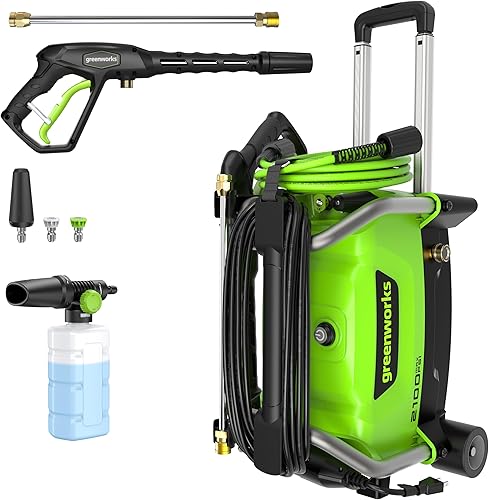
Greenworks 2100 PSI (1.2 GPM) Electric Pressure Washer
Electric pressure washer with plenty of power to rinse and run a foam cannon
Buy on Amazon →Tire Care
To keep your rims and tires clean, protected, and corrosion free.

oesee Professional 4 Pack Long Handle Wheel Brush Kit for Cleaning Wheel and Tire- 2X Soft Wheel Cleaning Brush, Detailing Brush and Stiff Tire Brush, Bendable& Durable Wheel Rim Cleaner Brush Set
Soft brushes for rim faces and barrels, plus a stiff brush to scrub tire sidewalls
Buy on Amazon →
P&S Brake Buster Wheel Cleaner
Non-acid formula dissolves brake dust and road grime safely on coated and uncoated wheels
Buy on Amazon →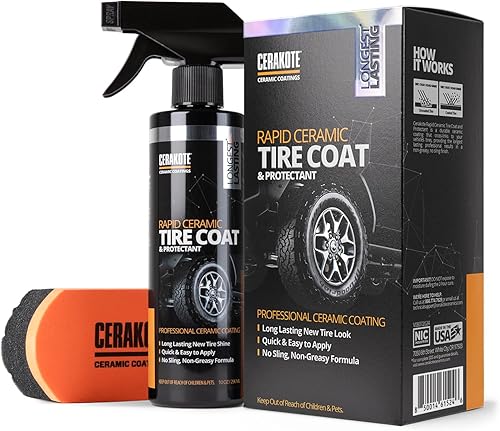
CERAKOTE Rapid Ceramic Tire Coat – Showroom New Tire Shine – Deep Tire Black Finish – Lasts Up to 10x Longer – No Sling, Non-Greasy Ceramic Tire Coating for Car, Truck & SUV – Easy Application (10oz)
Deep black finish with ceramic durability — no sling, no grease, lasts up to 10x longer
Buy on Amazon →Interior
Enough to clean up quick messes or do a weekly wipe-down so the inside stays fresh.

Chemical Guys Professional Grade Premium Microfiber Towels for Cars, Blue, 16" x 16", Ultra-Soft and Scratch-Free Car Detailing Cloths for Trucks, Motorcycles, and More - 12 Pack
Ultra-soft detailing cloths for drying, buffing, and final wipe-down
Buy on Amazon →
Adam's All Purpose Cleaner (16oz)
Dilutable heavy-duty degreaser for any surface — interior, engine bay, tires, or wheels
Buy on Amazon →
Detail Dudes Detailing Brush Set (3-Pack)
Soft boar hair brushes for vents, leather, trim, wheels, and engine bay — three sizes for every job
Buy on Amazon →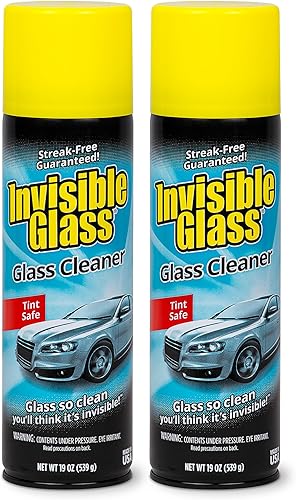
Invisible Glass 91164-2PK Premium Aerosol Glass Cleaner Spray for Car Windshields and Windows, Automotive and Home Window Cleaner, Streak-Free, Ammonia-Free, Tint-Safe – 19 oz (Pack of 2)
Streak-free, ammonia-free formula — safe on tinted windows and auto glass
Buy on Amazon →
Griot's Garage 2-in-1 Easy Reach Detailing Wand, Extended Reach for Windshield, Window, Mirror, Dashboard, Vehicle Cleaning, 18" Handle
18" wand with a low-profile head — reaches the inside of the windshield and dusts the dash
Buy on Amazon →
Adam's Polishes Interior Detailer 16 fl. oz - Total Car Cleaner, Protectant & Dressing | All Purpose Leather Conditioner | Vinyl, Dashboard, Screen, Seat Cleaner & More - Pack of 2
One product for dash, screens, leather, and vinyl — protects as it cleans
Buy on Amazon → Fort Wayne, Indiana · Pixel Perfect Detailing
How Often Should You Wash?
Every two weeks is a good baseline, but it depends on your environment. If you’re parking outside, driving in winter road salt, or living near the coast, wash more frequently. Contaminants left on the surface — bird droppings especially — start etching paint within hours in direct sun.
A quick rinse and microfiber wipe-down after a particularly dirty drive goes a long way between full washes.
The goal is simple: keep the surface clean and protected so your professional detail stays looking like it did the day you drove away.